Beverage is the best margin on your menu. Here's where a good chunk of it walks out the door unordered — and none of it is a training problem.
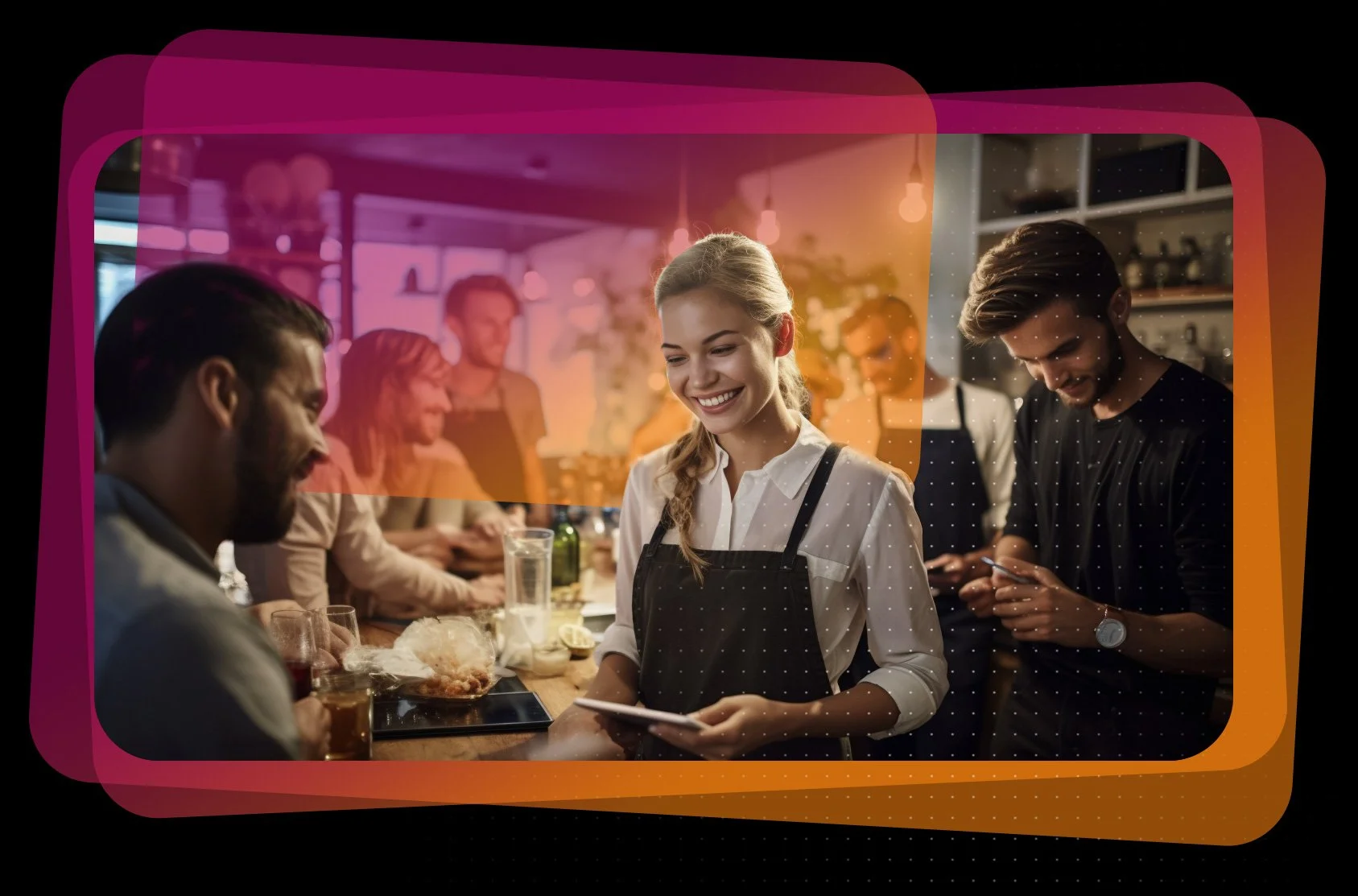
The first round takes care of itself. It's part of the greet, it's on the script, and every server gets it. The second round is different. It depends entirely on somebody noticing an empty glass in the narrow window where the guest still wants one, and that window is shorter than most floors are built to catch.
Miss it and nothing looks wrong. The table was happy, the food was good, the check just came in lower than it should have. Here are five places it slips.
1. The glass empties during the entrée run
The busiest ten minutes of any table's life is when the food lands. Every server in the section is carrying plates, checking temps, and clearing the app course. That's also exactly when the first drink runs out, and nobody has a free hand or a spare glance.
2. Your sightlines don't reach the back corner
Some tables are simply harder to see from where servers actually stand. It isn't attention, it's geometry — a banquette behind a divider, the two-top around the corner from the pass. Walk your room and find the seats nobody makes eye contact with, because those are the seats that stop ordering first.
3. The section got one table bigger
Adding a fifth or sixth table to a section rarely breaks service in any obvious way. What it breaks is the loop back — the pass a server used to make at minute 40 with nothing in their hands. That pass is where second rounds come from, and it's the first thing to disappear when the section grows.
“Nobody flags down a server who looks busy. Guests are polite, and that politeness is the most expensive thing in the dining room.”
— Ready Operations
4. The guest decided not to bother you
This is the one operators underestimate. A guest with an empty glass watching a server hustle will usually just wait, and waiting turns into not wanting one anymore. They won't complain about it and they won't mention it on the way out. The round simply doesn't happen.
5. The check already dropped
Once the folio is on the table, the meal is over in the guest's head. Anything they might have ordered in the next ten minutes is gone the moment the check appears, which is why dropping it early to save time is usually a trade against yourself.
Add it up and the chain is short:
- An empty glass nobody sees is a round nobody offers.
- A round nobody offers is a check that closes lower.
- A lower check on the highest-margin item on the menu is the cheapest money you'll leave on the table all night.
What to do about it
Four of these five are floor problems before they're anything else. Fix the sightlines, protect the minute-40 pass, hold the line on section size, and stop dropping checks early — that's most of the gap, and it costs nothing but attention. Tonight, watch one section through the entrée run and count how long empty glasses sit. The number is usually a surprise.
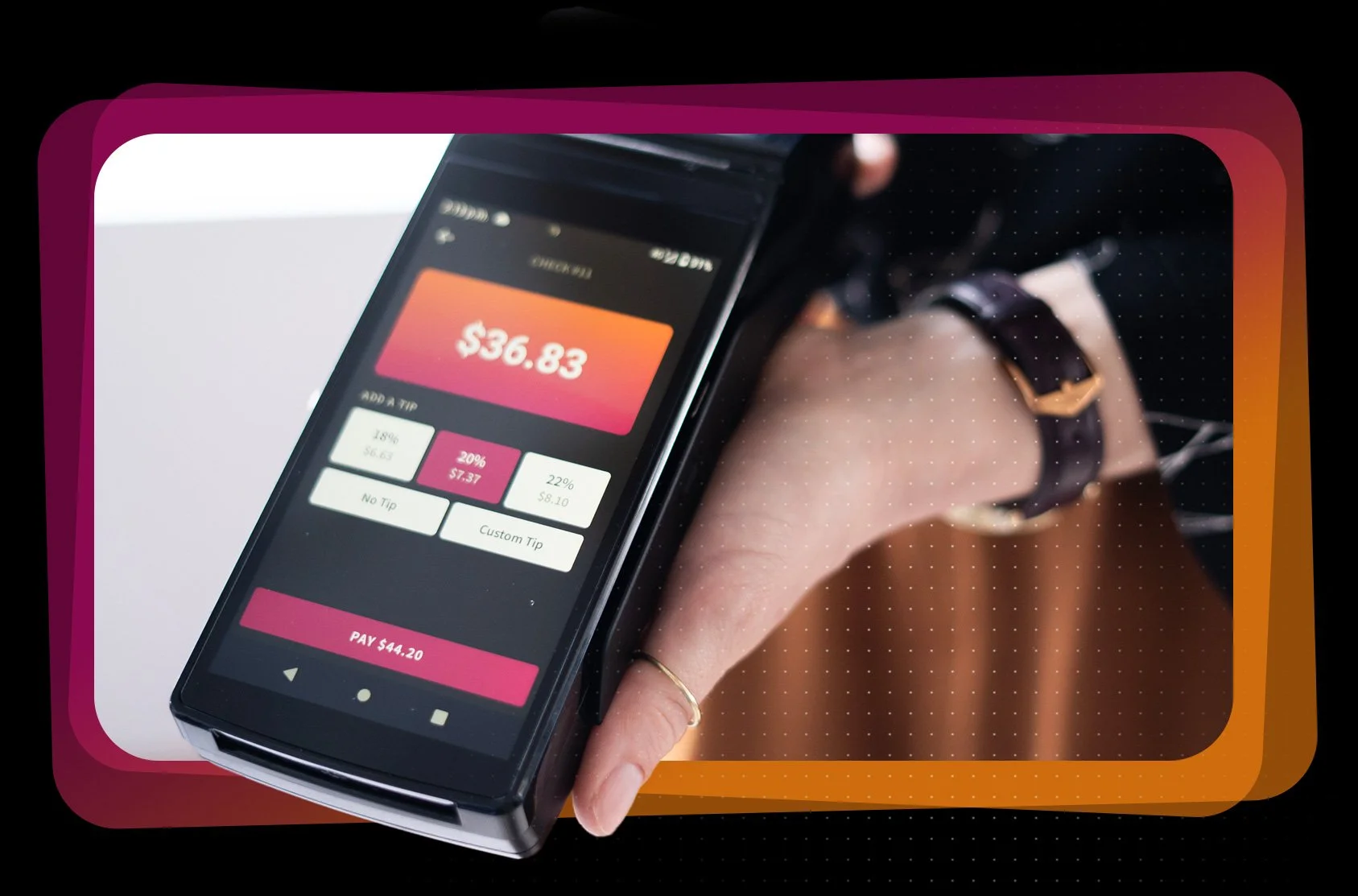
The fifth one is the guest who won't flag anyone down, and that's the one you can't train your way out of. Letting a table add a round themselves — from the same check, straight into the POS — turns their politeness back into revenue instead of a quiet loss. That's what GuestFlow is for, and it layers on top of the system you already run. Nothing gets ripped out to catch a drink order at minute 40.
See it running in your restaurant
Ready layers order & pay onto your existing POS — no rip and replace.
Get a Demo